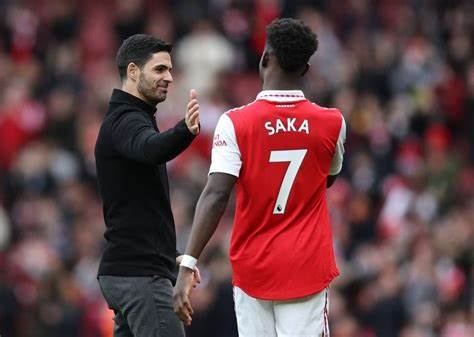
Arsenal are in the thick of a season that feels like a hinge moment — chasing a first league title since 2004 while juggling contract talks, boardroom reshuffles and the quiet hum of transfer strategy.
The November international break, historically a time for sketching big moves, has once again become a planning hotspot for the Gunners as they consider how to turn a promising campaign into sustained greatness.
Ownership, reshuffle and a louder Josh Kroenke
The club’s architecture has shifted in the past year. A sudden sporting director exit last autumn left a hole the club rushed to stabilise, and recent boardroom changes this season pushed a fresh executive lineup into view.
Tim Lewis’s departure and the promotion of Richard Garlick to CEO were followed by new non-executive additions — higher-profile faces who raise the volume on matchday conversation and boardroom theatre.
Those changes have had a practical effect: more in-person dialogue, more board members walking the corridors at London Colney and a visible Josh Kroenke presence around Emirates Stadium. With ownership talking strategy face-to-face more often, planning for January and next summer feels less theoretical and more urgent.
The sporting picture that shapes every move
On the pitch, Arsenal are delivering. Top of the Premier League after 11 games and undefeated in Champions League group play, the team’s form reduces panic but increases the stakes.
When a club is this close to a title push, every contract, injury update and tactical tweak takes on amplified importance — not just for today, but for the squad that must sustain a title challenge across the season.
Big contract talks: Saka and Timber front and centre
The biggest headline is Bukayo Saka. Negotiations that began months ago look set to conclude positively, with the winger expected to sign a deal that would crown him Arsenal’s most highly paid player and cement his place among Europe’s elite wide attackers.
That outcome would be both reward and signal: Arsenal want to build around Saka for the long haul.
Jurriën Timber, by contrast, has time on his existing contract, but the club are keen to recognise the 24-year-old’s form with an improved package.
Meanwhile, Mikel Arteta’s own future hangs quietly in the background; with around 18 months left on his deal the timing of any extension remains a tactical conversation the club may revisit once the season’s momentum is clearer.
Who might leave: minutes, World Cups and squad balance
Arsenal spent heavily in the summer, adding depth across the spine of the team. That investment reduces the appetite to trim the squad single-mindedly, but it inevitably raises questions over playing time.
Gabriel Jesus is one to watch. Returning from knee surgery and facing fierce competition up front — not least from summer recruit Viktor Gyökeres and an improving Kai Havertz — Jesus may find regular minutes hard to come by.
His public desire to stay is clear, but the imminence of the World Cup could force hard choices if he needs game time to keep his Brazil spot.
Ben White’s England ambitions and Oleksandr Zinchenko’s loan spell at Nottingham Forest add further layers. For White, diminished playing time at right back puts national-team hopes at risk. Zinchenko’s loan and expiring contract mean January could bring a recall and a permanent move away if circumstances align.
Reinforcements: measured moves or a statement signing?
There’s financial headroom to act in January, but the bigger question — does Arsenal need to push again now or save for the summer — will dominate talks.
Links to players such as Real Madrid’s Rodrygo have surfaced, suggesting the club are alert to opportunistic additions, especially if they strengthen areas without destabilising the core.
Adding another winger would complicate the futures of Leandro Trossard and Gabriel Martinelli, both of whom face contract conversations in the near term.
Arsenal tend to plan January and the summer in tandem, so the decisions made in the coming weeks will likely read as part one of a two-act summer script. Expect the club to clarify short-term moves and set a clearer blueprint for the big window ahead.
The bottom line
This international break is less a pause and more a pressure-test: contracts to tie down, squad tensions to manage, and strategic decisions to make while Arsenal sit in a rare position of strength. The boardroom changes have sharpened the conversation; the team’s results have raised the stakes.
Whether it’s locking Saka in for the long run, mapping out Gabriel Jesus’s playing future, or quietly laying the groundwork for a summer statement, Arsenal’s next moves will be judged by one metric above all — does it help them win the title.